How to Find Custom Timber Fretwork Services in Melbourne and Victoria
How to Find Custom Timber Fretwork Services Near You
Type “custom timber fretwork services near me” into a search engine and at least half the results will be guitar repair shops. That’s the first clue that sourcing quality architectural fretwork takes more than a quick Google query. It takes knowing what to look for, what questions to ask, and how to tell a genuine specialist from a generalist joinery shop that occasionally mills a decorative panel on the side.
This guide is written for homeowners, builders, and property restorers who need period-accurate, durable fretwork that holds up outdoors. By the end, you’ll know how to evaluate a supplier’s capability, weigh the different production methods, and write a project brief clear enough to get a reliable quote on the first attempt.
Businesses like Karem Woodcraft, which have spent decades crafting bespoke fretwork and architectural timber components for heritage homes, set the benchmark for what a proper specialist looks like. Use that benchmark when assessing whoever you find locally.
Why Homeowners Across Melbourne Choose Karem Woodcraft
For more than 40 years, Karem Woodcraft has been manufacturing custom timber fretwork, verandah components, decorative brackets, balustrades, and heritage timber products from its Melbourne workshop. Established in 1984, the company has supplied thousands of projects throughout Victoria and across Australia.
Whether you’re restoring a Victorian terrace, renovating a Federation home, or building a new heritage-style residence, Karem Woodcraft offers both standard fretwork patterns and fully custom-made designs. Every project can be tailored to suit existing architectural details, ensuring a seamless match with original features.
Unlike many general joinery shops, Karem Woodcraft specialises in architectural timber products designed specifically for outdoor use. Timber components can be supplied LOSP treated for durability and protection against termite attack and decay, making them suitable for Melbourne’s varied climate conditions.
Homeowners, builders, and restoration specialists choose Karem Woodcraft for heritage matching expertise, precision CNC manufacturing, quality timber selection, and Australia-wide delivery.
What Architectural Timber Fretwork Actually Is (and Why Searches Get Confusing)
Architectural fretwork refers to the intricately cut decorative timber panels used on verandahs, gable ends, and frieze boards of heritage-style homes. It’s the ornamental latticework associated with Federation, Victorian, and Edwardian-era architecture: lace-like patterns in wood, not the metal strips on a guitar neck. Knowing this distinction upfront helps you filter search results far faster and saves you from calling three guitar shops before finding a woodworker.
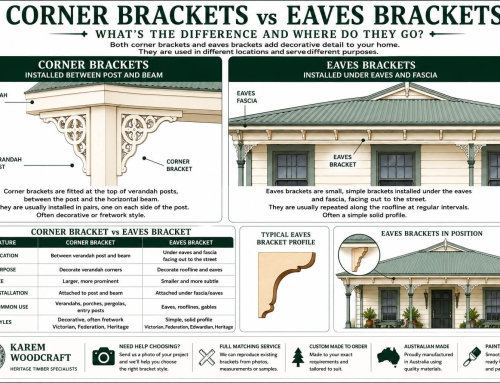
Common installation positions include verandah brackets, frieze panels beneath the roofline, gable infills, balustrade screens, and decorative internal openings. Each position carries different exposure demands. External fretwork on a verandah faces UV, rain, and in many parts of the country, termite pressure. Internal panels face almost none of that. Understanding these installation categories will help you ask far better questions when you call a supplier about local custom timber fretwork services.
The gap between a general joinery shop and an architectural fretwork specialist is real and worth understanding before you start calling anyone. General joiners can cut wood, but period-accurate fretwork requires pattern libraries, heritage matching expertise, and hands-on knowledge of how decorative fretwork panels perform outdoors over years, not just days after installation. That supplier selection is the most consequential decision in the whole process, and why finding a dedicated custom fretwork installer matters more than finding the nearest woodworker.
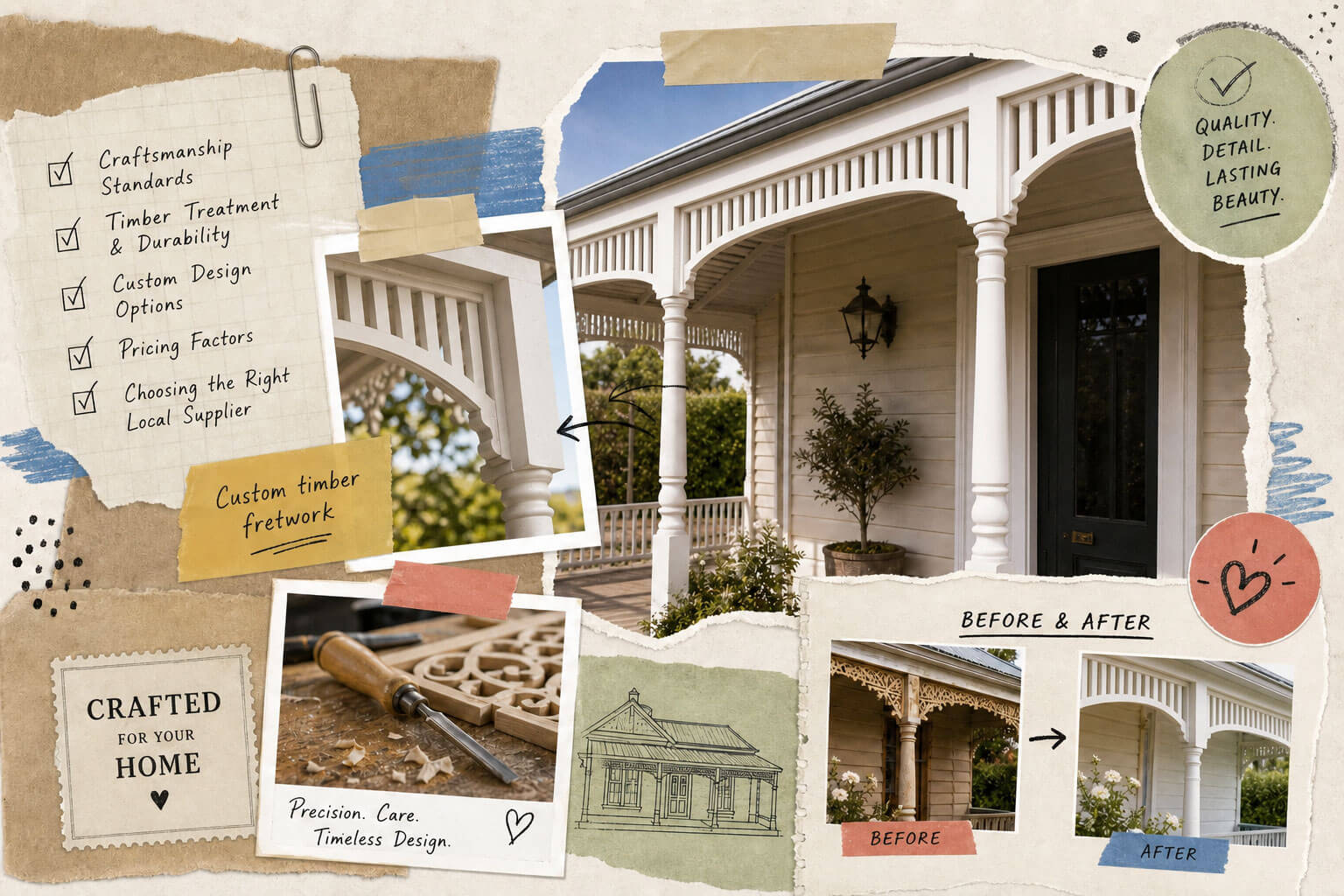
Craftsmanship Standards: What CNC, Laser, and Hand-Cut Production Each Deliver
CNC routing handles thicker stock well, produces consistent repeatable cuts, and suits mid-to-large CNC fretwork panel production efficiently. The trade-off is rounded internal corners, because the cutter bit radius is a physical constraint you cannot engineer around. A good CNC shop will show you finished samples, not just digital renders. Ask about bit diameter, tolerances, and how they handle tight internal geometry on complex heritage patterns before you commit to an order.
Laser cutting excels at fine 2D profiles on thinner stock, producing sharper detail lines than a router bit allows. The limitation is depth: laser-cut fretwork is typically produced from thinner material and may show light heat tinting on cut edges. For interior decorative panels, laser-cut panels can be an excellent option. For exposed exterior use, ask specifically about edge sealing and whether the kerf is suitable for paint adhesion over the long term. (For a practical comparison of the two methods, see the CNC vs laser cutting comparison.) Some specialist manufacturers blend machine cutting with hand-finishing for heritage restoration work where profile accuracy is critical.
Hand fretwork is the slowest method and carries the highest labour cost, but it is sometimes the only route to matching an unusual existing pattern from a period home. An experienced supplier will advise honestly on which method suits your brief rather than defaulting to the cheapest process available in their shop.
Timber Species, Treatment, and Finish: Questions Worth Asking Before You Order
For external custom wood fretwork on verandahs, gable ends, and exposed frieze panels, the timber must resist moisture, UV, and where relevant, termite pressure. Treated pine, Western Red Cedar, and selected Australian hardwoods are common choices for exterior applications. Victorian ash is a popular hardwood for fretwork where panels are painted or used in more protected positions. Internal fretwork can use a broader range of species and composite substrates because the exposure is far lower, which also makes it the easier of the two to specify.
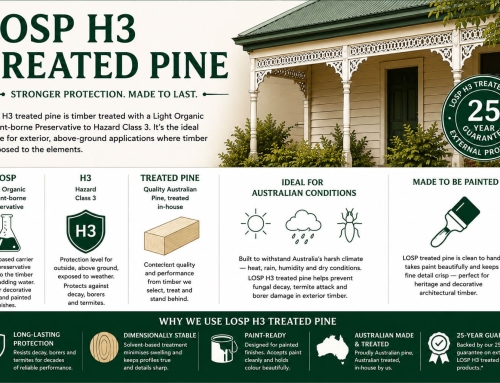
Timber treatment is non-negotiable for external pine panels. LOSP (light organic solvent preservative) treatment is the standard benchmark for exterior pine used in decorative timber applications, providing protection against termite attack and fungal decay. A supplier that treats timber in-house, as Karem Woodcraft does with their in-house LOSP H3 Protim process, can guarantee treatment consistency and full product traceability. When a supplier outsources treatment, ask for documentation confirming the treatment level applied to your specific order.
Paint is the most protective finish for external fretwork and the easiest to inspect and re-coat over the life of the installation. Spar or marine varnish preserves natural grain but typically needs recoating every one to two years in an exposed position. Penetrating oils require the least effort for spot maintenance but offer the weakest weather protection of the three. Ask your supplier which finish they prime for, whether panels arrive pre-primed, and what maintenance schedule they recommend for your specific installation environment before you sign off on an order. For practical tips on finishing exposed timber components, see guidance on finishing outdoor projects.
Customisation Capability and Matching Your Home’s Period Style
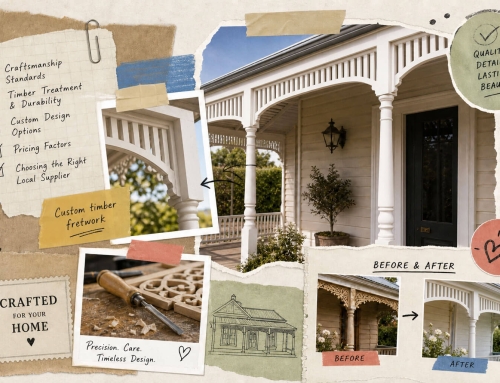
When searching for custom timber fretwork services near you, customisation depth is one of the clearest indicators of a true specialist. Look for both a standard catalogue range and a fully bespoke production capability. Standard catalogue panels suit budgets and timelines where exact heritage matching is not critical. Bespoke fretwork is essential when you are restoring or extending a period home and the new panels need to align precisely with existing architectural details.
Karem Woodcraft carries both a standard range and a fully custom-made service; for examples of their internal decorative options see Timber Fretwork, Internal, Karem Woodcraft which illustrates how internal patterns and profiles are handled.
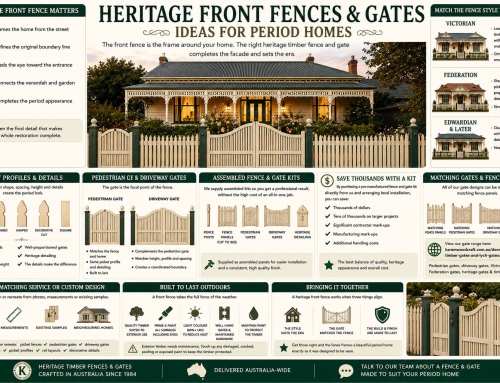
Ask for examples of period-matching work, not just general portfolio shots. A specialist who has reproduced Federation or Edwardian fretwork patterns before will understand the proportional rules and profile conventions of those styles without needing a lengthy explanation from you. If they cannot describe the difference between a Federation bracket and a Victorian frieze panel in plain language, that tells you something useful about the depth of their experience.
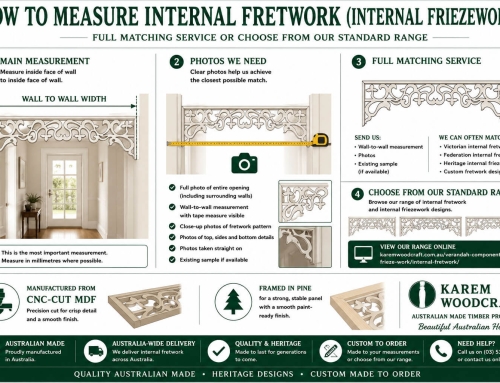
For bespoke projects, any reputable supplier will provide a shop drawing or design proof before cutting begins. This step protects both parties: you confirm the pattern, dimensions, and fixing method before any material is committed to production. Skipping this approval step is a genuine risk for any project where profile accuracy matters.
Lead Times: What to Realistically Expect by Project Size
Small projects up to roughly half a square metre generally run three to eight weeks from brief to delivery. Medium-scale jobs of roughly half a square metre to two and a half square metres typically need six to twelve weeks. Large or complex installations exceeding about two and a half square metres should be budgeted at eight to sixteen weeks or more, particularly when bespoke design work or treatment scheduling is involved. If a supplier quotes a turnaround that seems unusually fast for your scope, probe the detail, rushed fretwork production is where quality shortcuts get made. For further context on typical turnaround expectations see an example discussion of lead times for hardwood furniture.
To get an accurate quote rather than a rough estimate padded with contingency, give your local fretwork contractor the following details upfront:
- Panel dimensions and quantity
- Installation position (interior or exterior)
- Photos of any existing fretwork you need matched
- Preferred timber species or treatment requirements
- Finish state needed
- Target installation date
A brief that covers those points removes ambiguity on both sides and gives you a quote you can actually rely on.
How to Find Custom Timber Fretwork Services Near Me: Search, Vet, and Choose
Trade directories, architectural restoration forums, and recommendations from local heritage homeowner networks are often more reliable starting points than the first page of a broad search result. Search specifically for “architectural fretwork” or “heritage timber products” alongside your location, because general terms like “woodworker near me” tend to surface furniture shops and cabinetmakers rather than specialists in decorative architectural components. Adding terms like “custom wood fretwork” or “decorative fretwork panels” to your search will help you reach genuine specialists faster.
Customer reviews worth trusting will mention accurate dimensions, clean finish, correct profile matching, responsive communication, and on-time delivery. Be skeptical of glowing reviews that say nothing specific about product quality or fit. A supplier’s portfolio should include clear photos of installed fretwork in real homes, not just staged product shots against a clean workshop background.
If your local options are general joiners without a dedicated fretwork range or heritage portfolio, a specialist manufacturer with national freight capability is the more reliable path. Quality does not diminish because a supplier ships rather than installs locally. The key questions remain the same regardless of geography: Can they match your style? Do they treat their timber properly? Can they show you relevant examples of finished work? Do they provide a design approval step before production begins?
Frequently Asked Questions
Can existing heritage fretwork be copied?
Yes. An experienced fretwork specialist can reproduce existing heritage patterns from photographs, measurements, damaged samples, or original panels. This is particularly useful when restoring Victorian, Federation, Edwardian, or Queenslander homes.
What timber is best for outdoor fretwork?
For external applications, treated pine, Western Red Cedar, and selected Australian hardwoods are commonly used. The ideal choice depends on budget, climate exposure, maintenance preferences, and the architectural style of the home.
Does timber fretwork need maintenance?
Yes. Like all external timber products, fretwork requires periodic maintenance. Painted finishes generally provide the longest protection, while stained and clear-coated finishes typically require more frequent maintenance.
How long does custom fretwork take to manufacture?
Lead times vary depending on design complexity, production schedules, timber availability, and project size. Most custom fretwork projects are completed within several weeks, while large heritage restoration projects may require additional time.
Does Karem Woodcraft deliver throughout Victoria?
Yes. Karem Woodcraft manufactures timber fretwork in Melbourne and supplies projects throughout Victoria, including Melbourne, Geelong, Ballarat, Bendigo, Mornington Peninsula, Gippsland, and regional areas, as well as interstate.
The Decision Comes Down to Four Things
Finding the right custom timber fretwork services, near you or through a national specialist, ultimately comes down to four factors: craftsmanship method and how it matches your panel requirements; timber treatment and whether it is verifiable; customisation depth and the supplier’s genuine ability to match period styles; and honest, realistic lead times. Rushing any of these steps is where projects go wrong and panels end up replaced within a few seasons.
Looking for Custom Timber Fretwork in Melbourne?
If you’re searching for custom timber fretwork services in Melbourne, Victoria, it’s worth choosing a supplier with proven experience in heritage architecture and outdoor timber manufacturing. A specialist can help you select the correct timber species, match existing period details, and ensure every component is manufactured for long-term durability.
Karem Woodcraft has been manufacturing custom timber fretwork, verandah brackets, decorative screens, gable infills, frieze panels, and heritage timber products since 1984. From simple replacement panels to complete verandah restoration projects, the company provides both standard designs and fully bespoke manufacturing solutions.
Before requesting a quote, prepare photos, dimensions, quantities, and details about the installation location. This allows the supplier to provide accurate pricing and recommendations specific to your project.
Take the time to request portfolio examples, ask about treatment standards, get a shop drawing before production starts, and write a specific project brief before you ask for a quote. Whether you find the right custom fretwork installer locally or through a specialist that ships across the country, the vetting process is the same.
Custom timber fretwork done properly adds authentic character that lasts for decades. To see what that standard looks like in practice, Karem Woodcraft’s range of bespoke and standard architectural fretwork is one solid place to begin your comparison: Timber Fretwork, External, Karem Woodcraft. If your project involves verandah components, they also show examples of Timber Verandah Posts, Karem Woodcraft to help with detailing and proportion decisions.
CONTACT US
Don't hesitate to get in touch with us, we would love to discuss on your order.
Phone: 1300 547 581
852 Mountain Hwy, Bayswater VIC 3153
Fax: (03) 9720 7191
Email: [email protected].